
 ★ 7.8Back to the Future Part II1989 · 108 min

4KHDHub: adventure, fantasy and sci-fi movies made for the big screen, from Jurassic Park, 2001: A Space Odyssey and Jumanji to Hugo, The Jungle Book and Paddington in Peru, and where to watch them
167 films of spectacle and imagination from 1964 to 2025, each with its cast, its director and a Watch now button.
Adventure
View all (106)★ 7.8Back to the Future Part II1989 · 108 min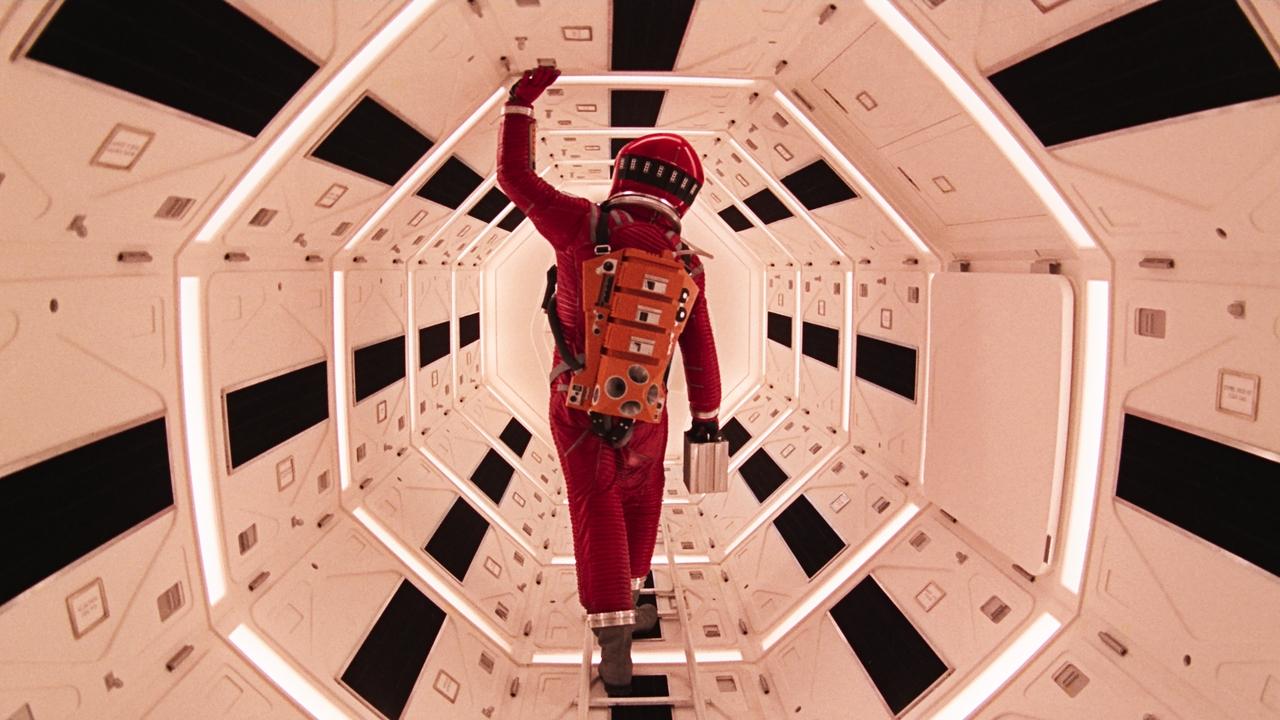 ★ 8.02001: A Space Odyssey1968 · 149 min
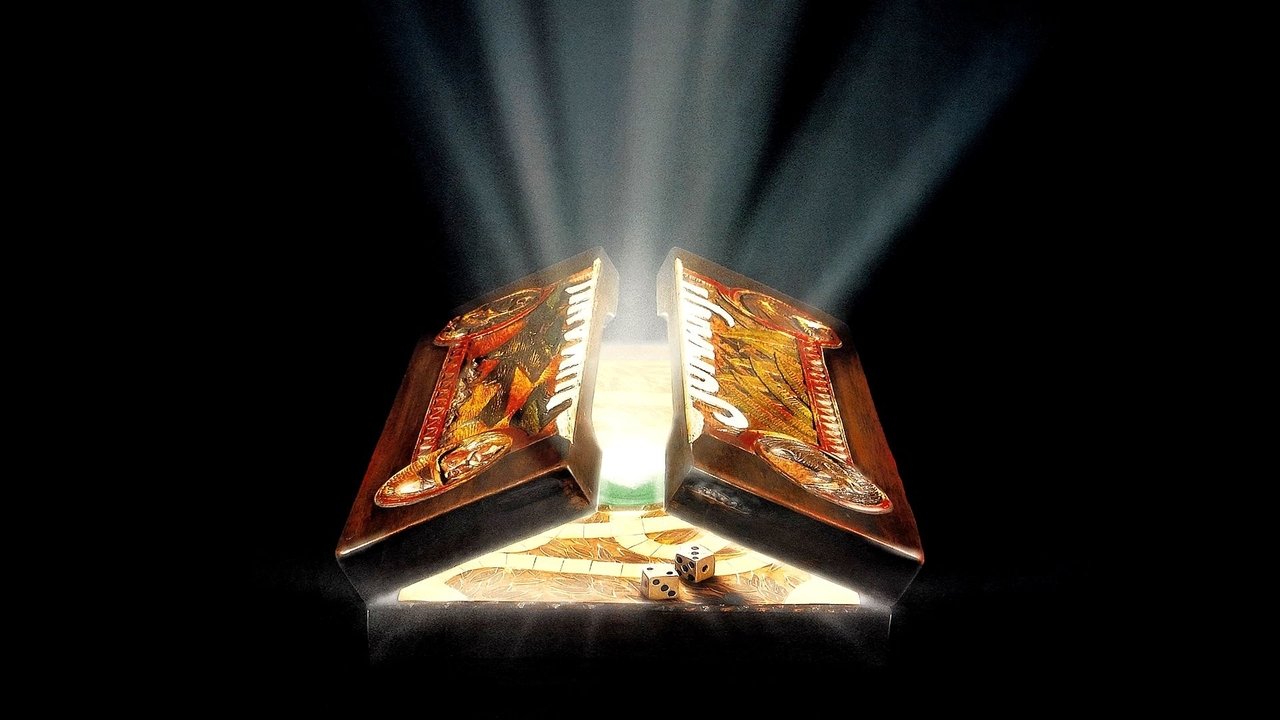 ★ 7.2Jumanji1995 · 104 min
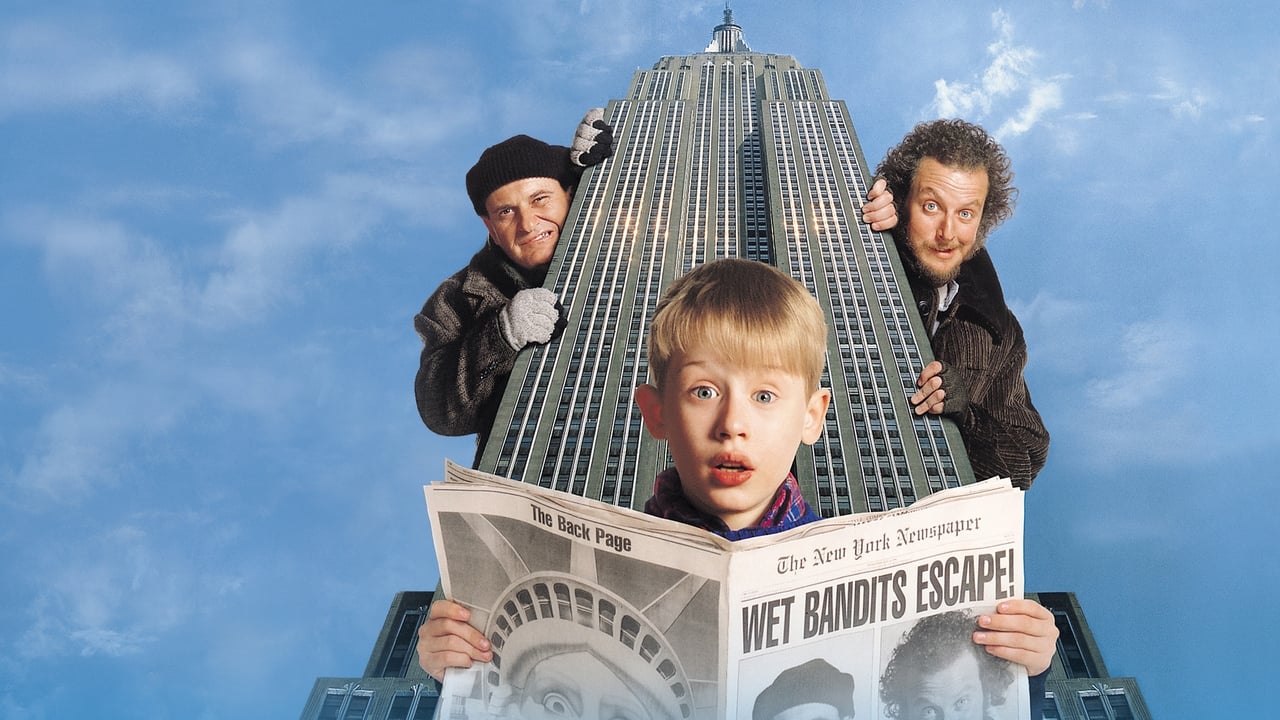 ★ 6.8Home Alone 2: Lost in New York1992 · 120 min
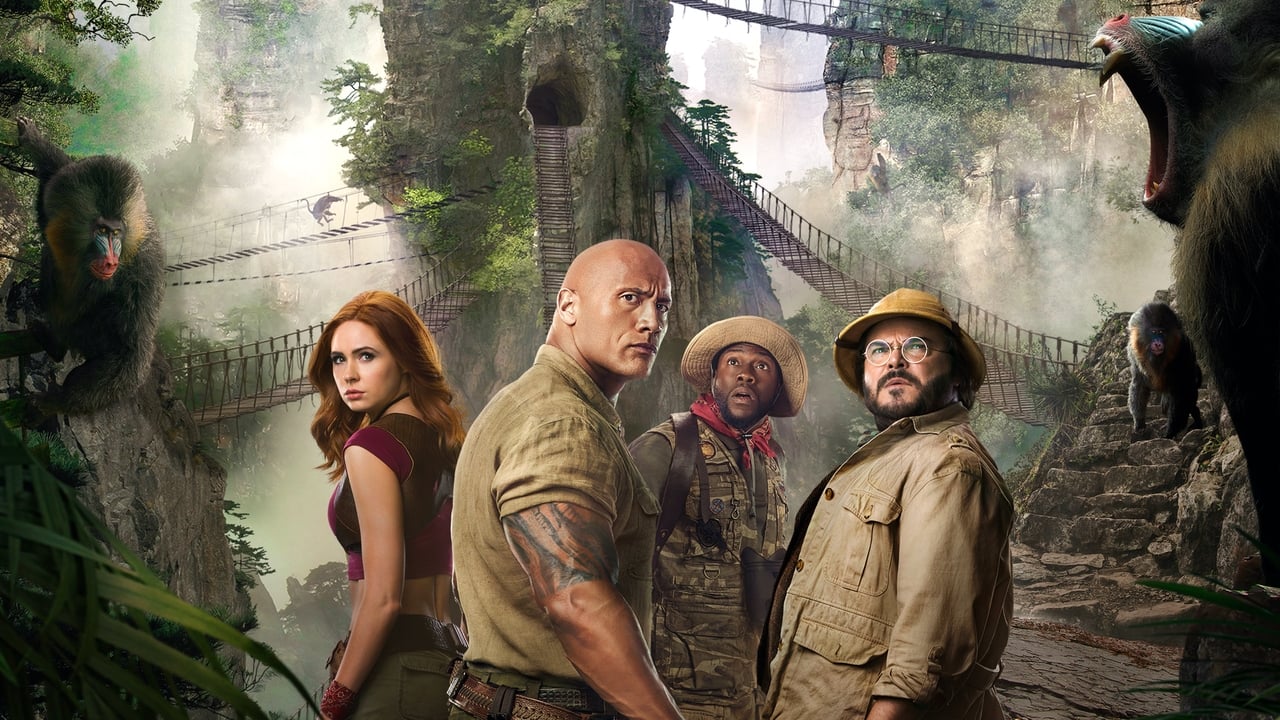 ★ 6.9Jumanji: The Next Level2019 · 123 min
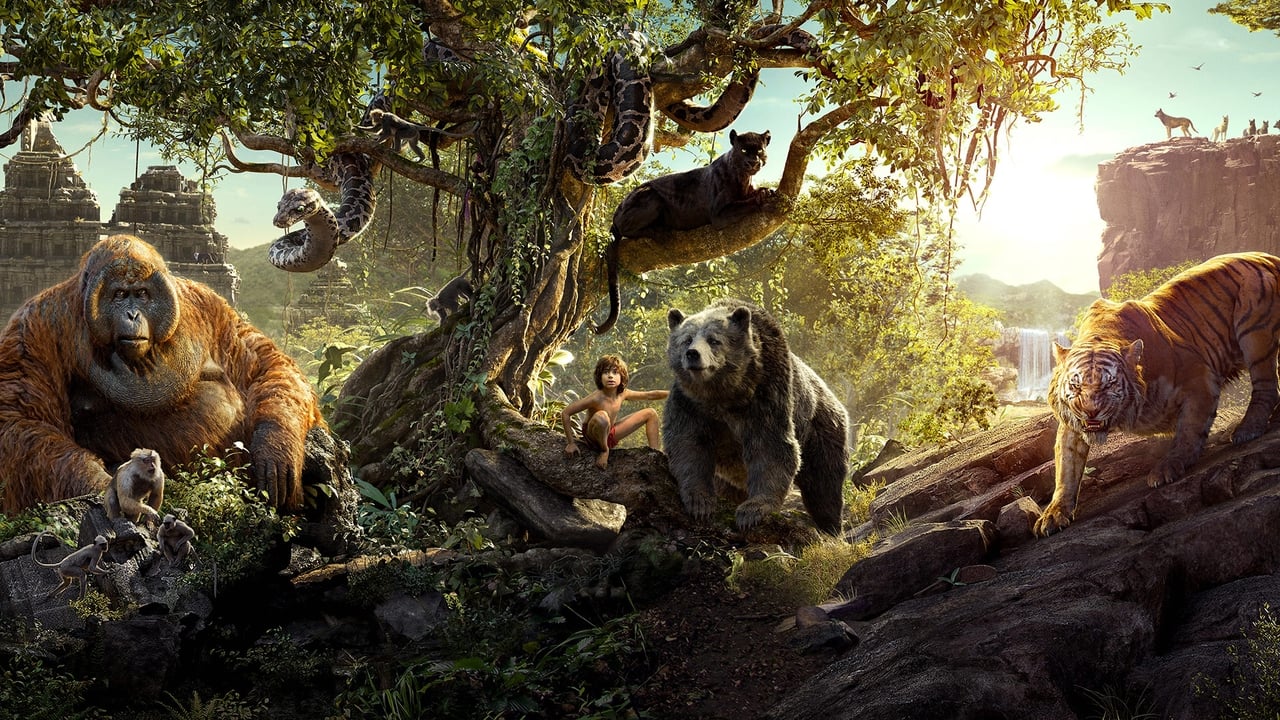 ★ 6.9The Jungle Book2016 · 106 min
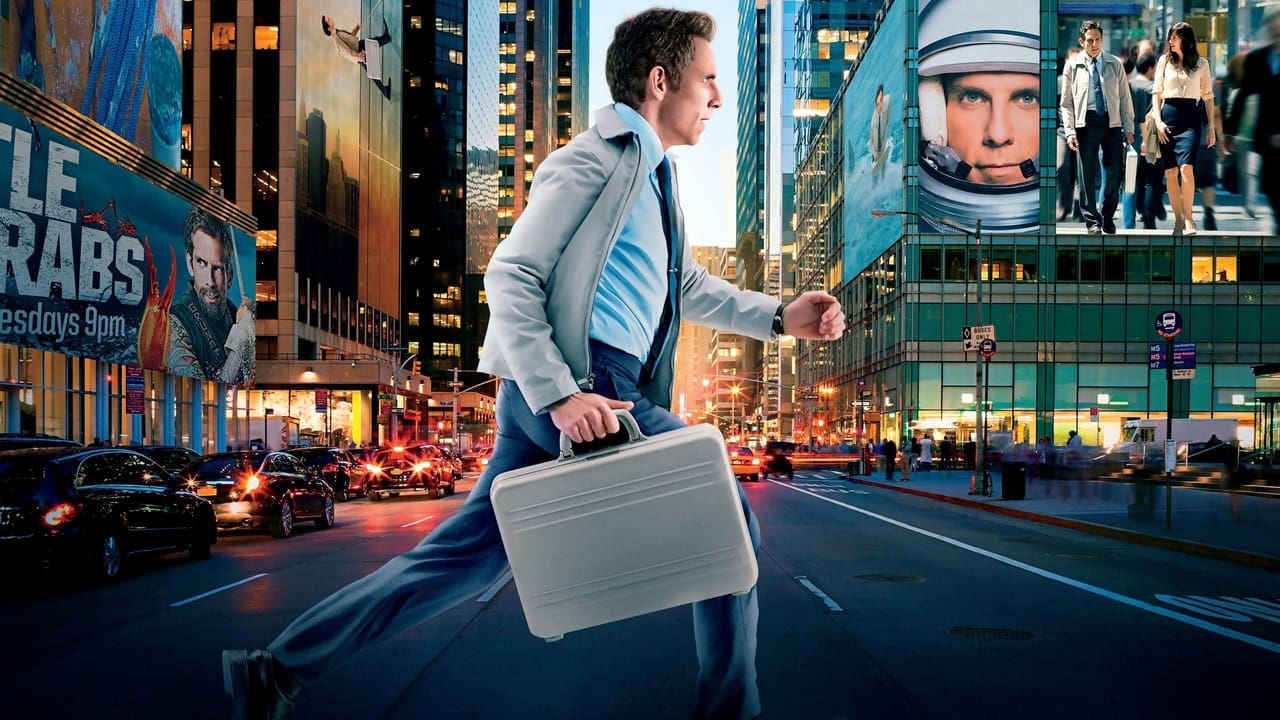 ★ 7.2The Secret Life of Walter Mitty2013 · 114 min
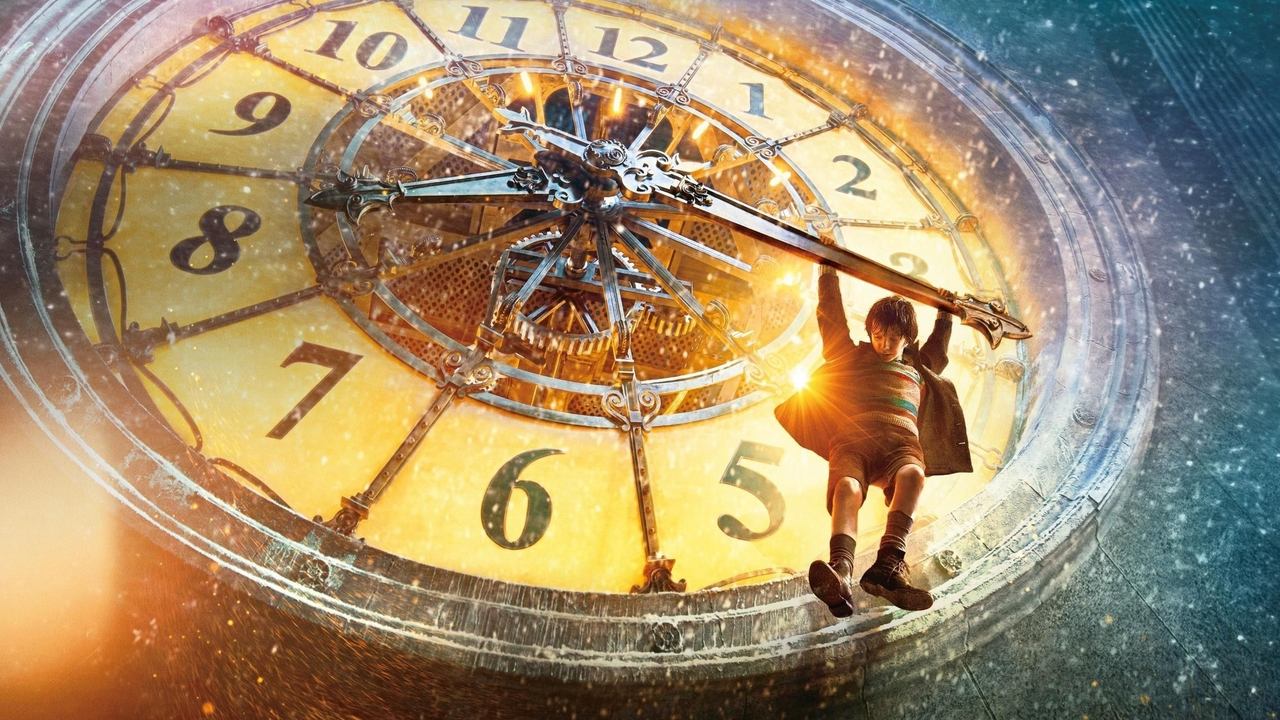 ★ 7.2Hugo2011 · 126 min
Fantasy
View all (93)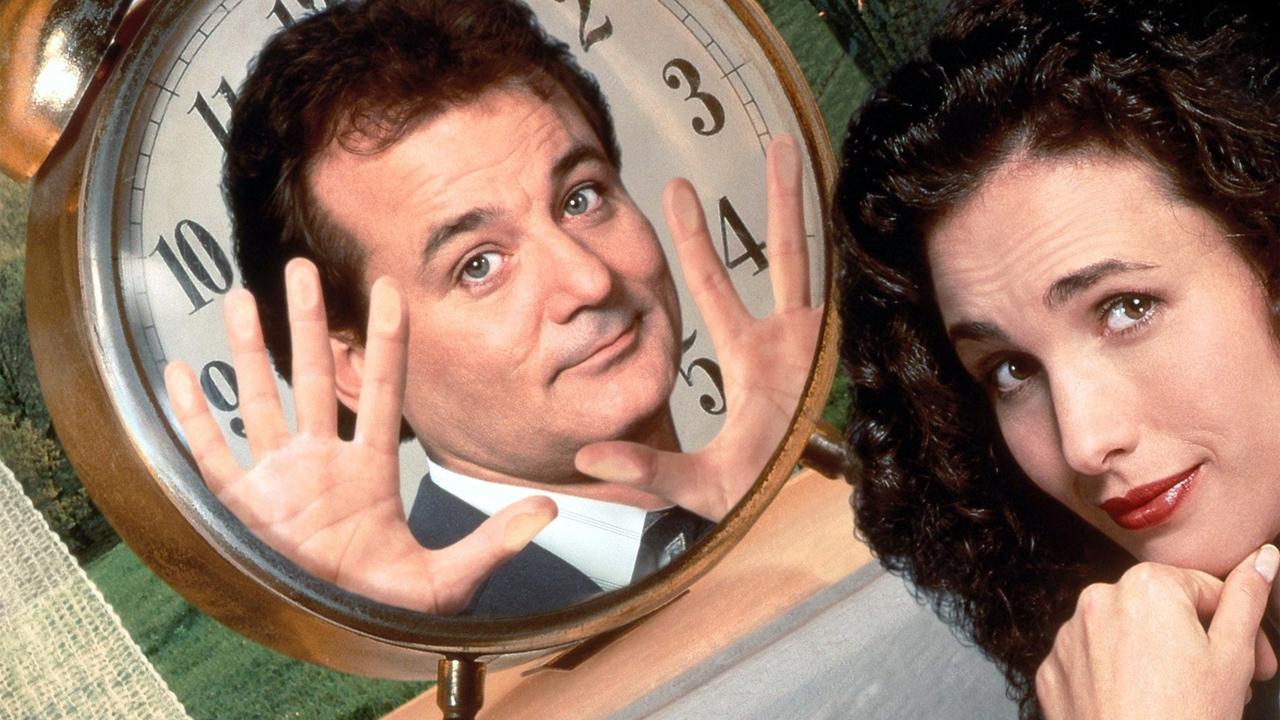 ★ 7.6Groundhog Day1993 · 101 min
 ★ 6.8Cinderella2015 · 105 min
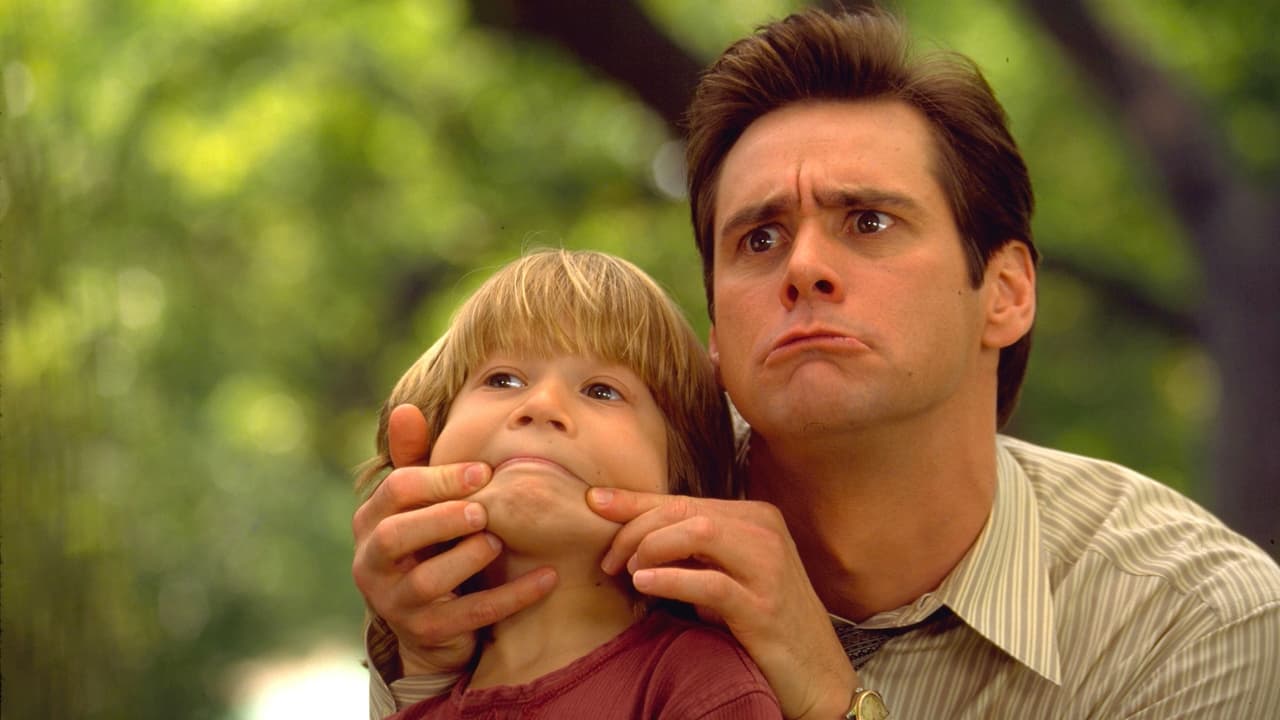 ★ 6.7Liar Liar1997 · 86 min
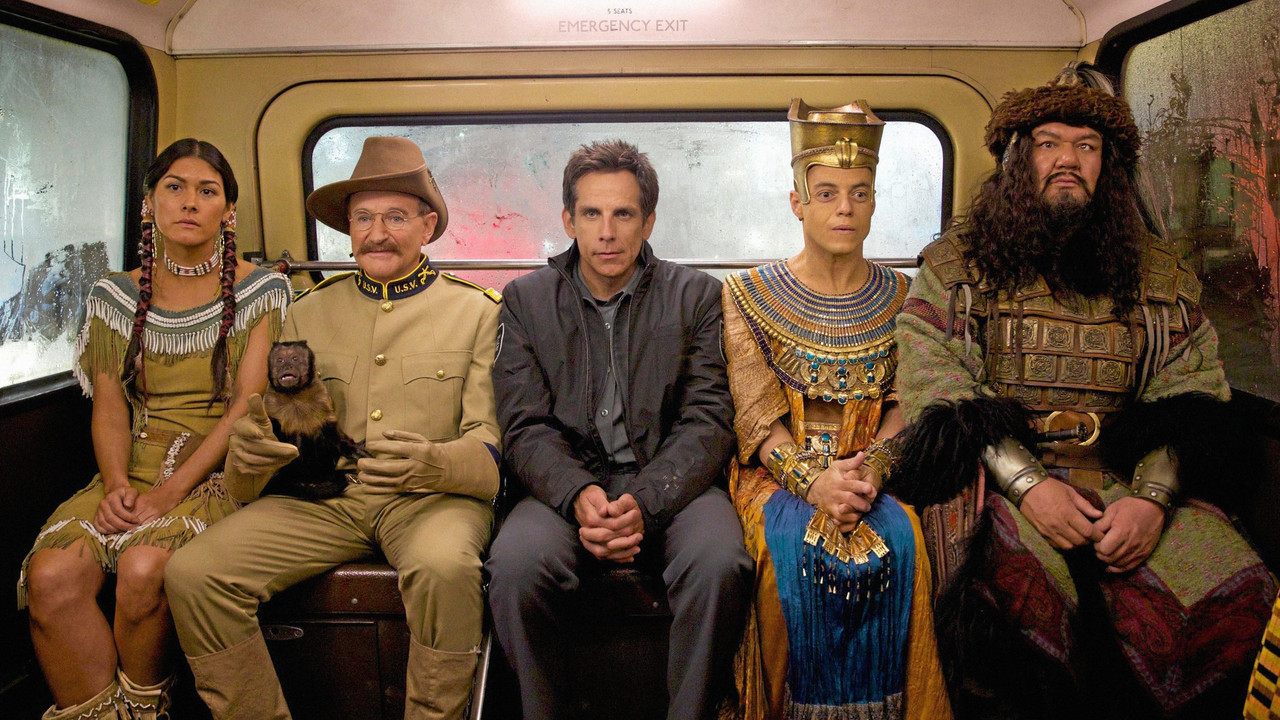 ★ 6.2Night at the Museum: Secret of the Tomb2014 · 98 min
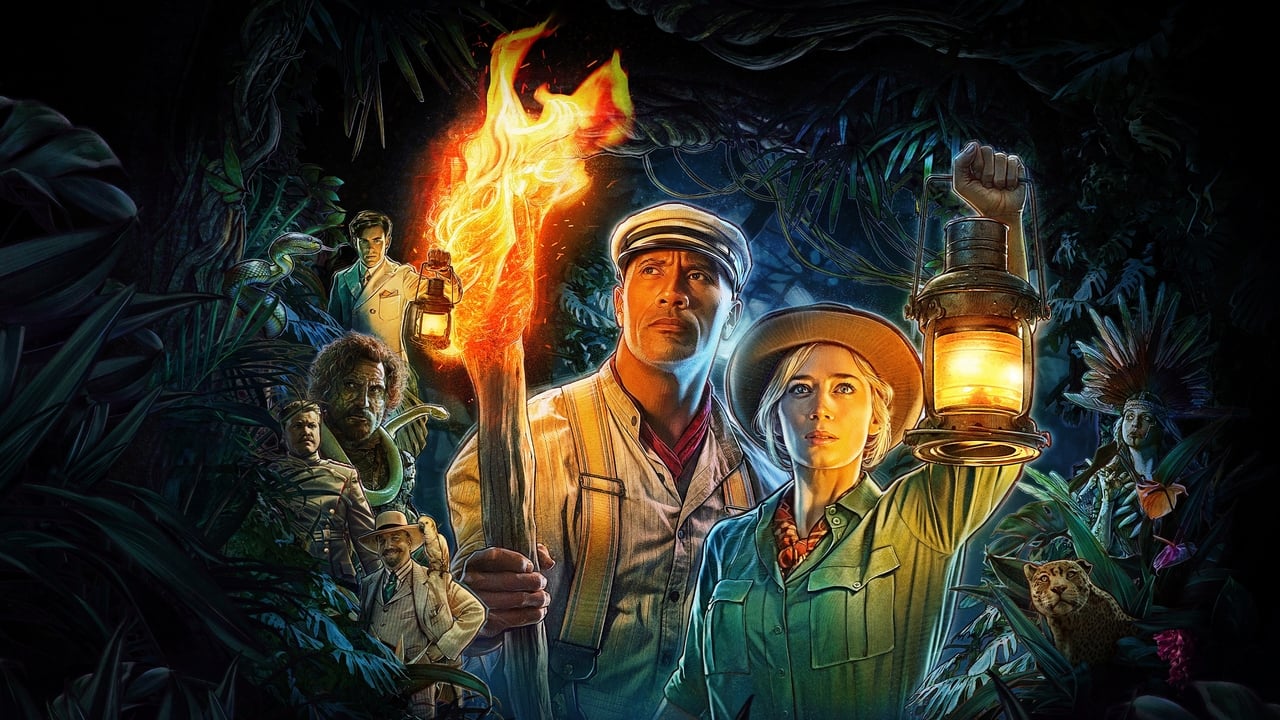 ★ 7.3Jungle Cruise2021 · 127 min
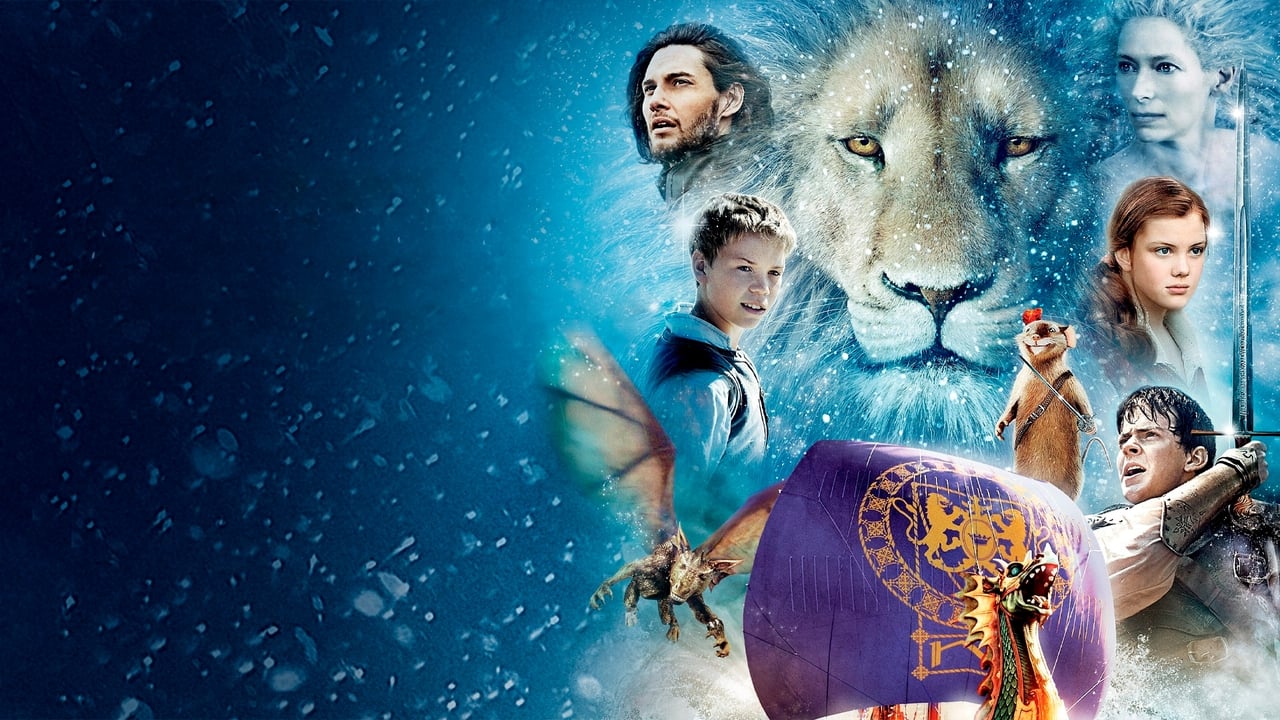 ★ 6.4The Chronicles of Narnia: The Voyage of the Dawn Treader2010 · 113 min
 ★ 6.317 Again2009 · 102 min
 ★ 7.5Mary Poppins1964 · 139 min
Science fiction
View all (29) ★ 6.8
 ★ 6.1
 ★ 6.2
 ★ 5.7
Creatures
View all (38)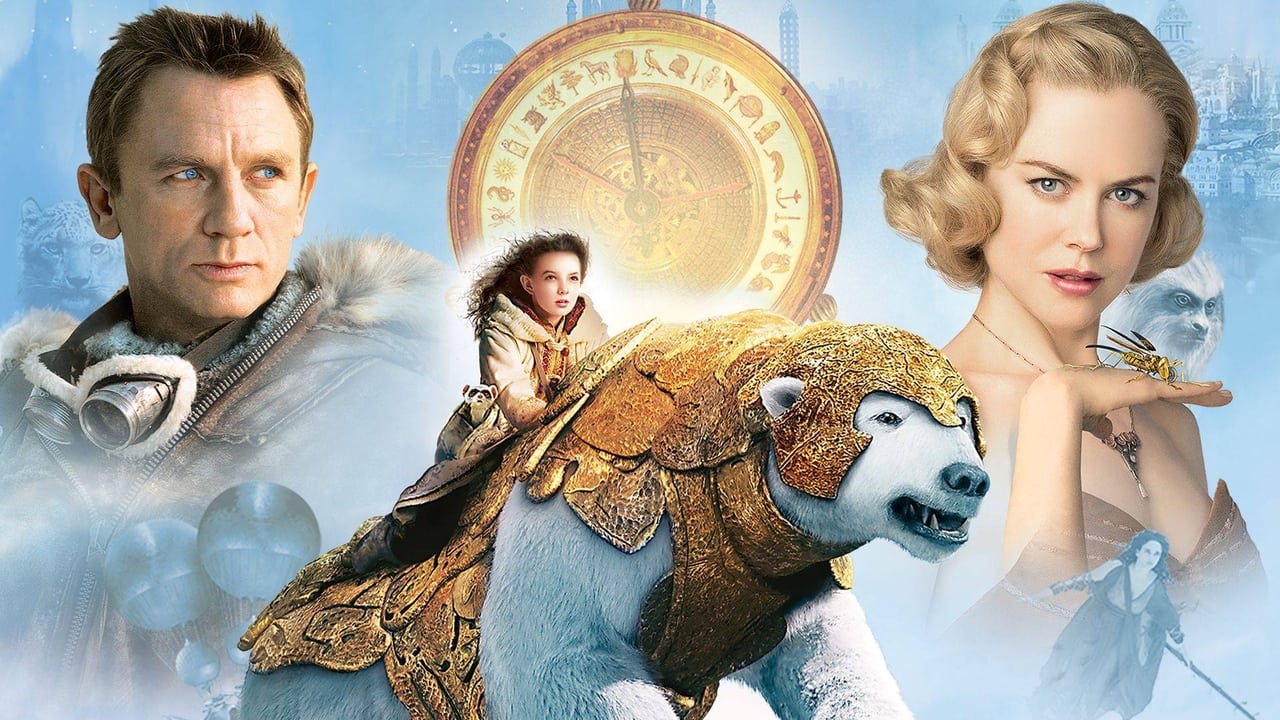 ★ 6.1
 ★ 6.6
 ★ 7.1
 ★ 6.6
Time travel
View all (15) ★ 6.8
 ★ 6.4
 ★ 5.4
 ★ 6.6
Magic and wishes
View all (40) ★ 7.2
 ★ 6.5
 ★ 7.3
 ★ 6.3
Top rated
View all (39) ★ 7.6
 ★ 7.2
 ★ 7.6
 ★ 8.1
Christmas adventures
View all (17)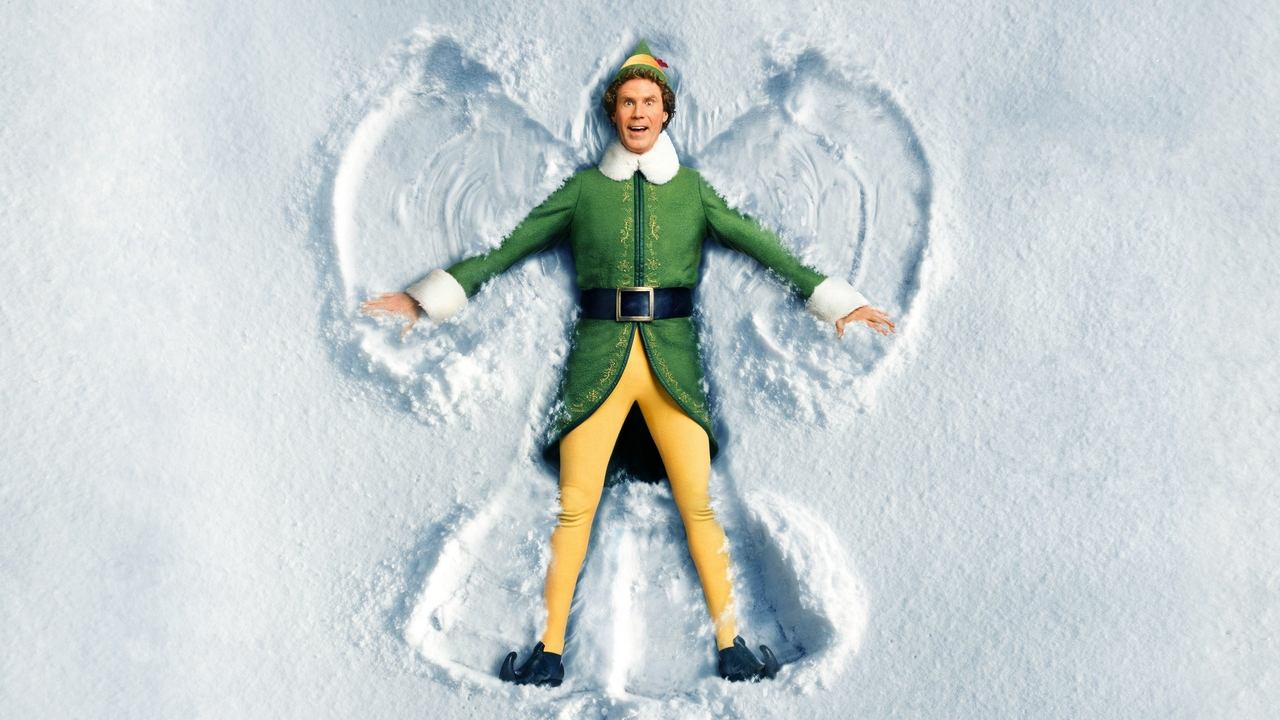 ★ 6.7
 ★ 6.1
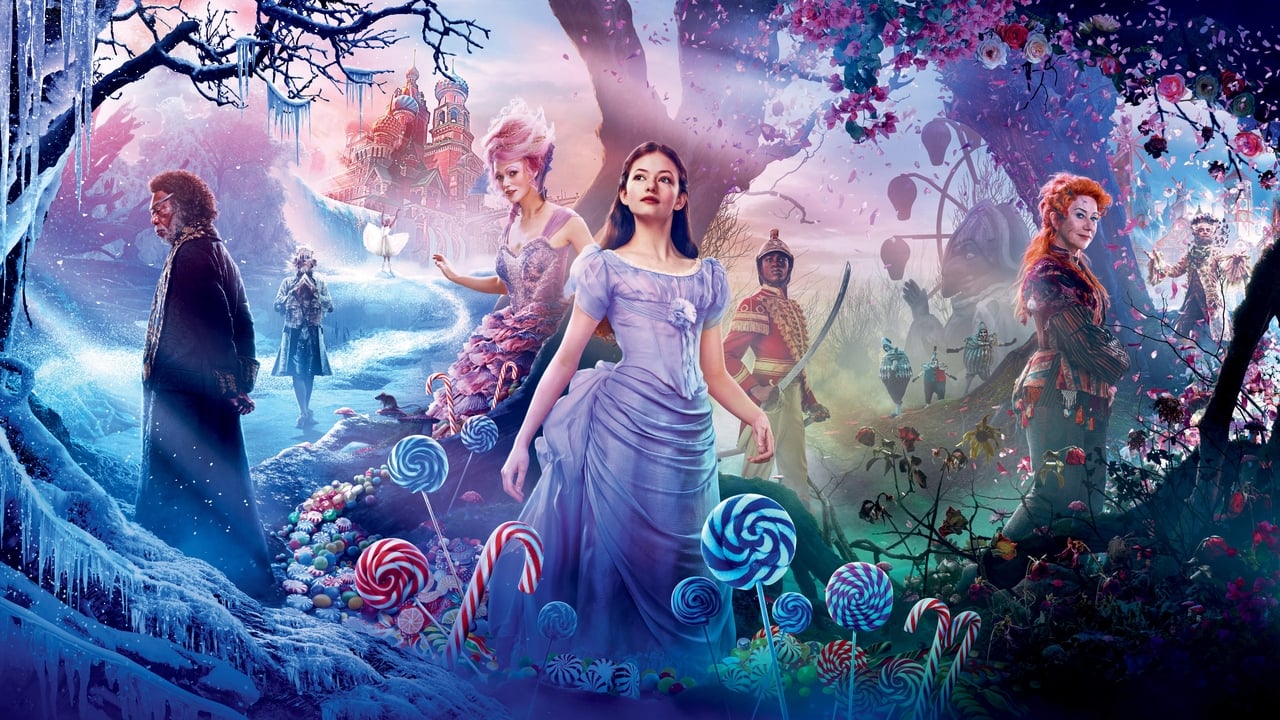 ★ 6.1
 ★ 6.0
The 4KHDHub guide to adventure, fantasy and sci-fi movies
4KHDHub: adventure, fantasy and sci-fi movies made for the big screen, from Jurassic Park, 2001: A Space Odyssey and Jumanji to Hugo, The Jungle Book and Paddington in Peru
Some films are stories you could follow with your eyes shut. Others are made to be looked at, and they are the subject of 4KHDHub. This guide lists 167 adventure, fantasy and science-fiction films, made between 1964 and 2025 by 147 directors, with a combined running time of 287 hours. Dinosaurs walk through them, cars fly, nannies descend from the clouds and spacecraft waltz. They are the films that make a household reach for its largest screen. Every one has a page with its cast, its director, a short summary, its rating and a button that leads to the official services where it can be watched.
The three genres overlap, so the counts do too. A hundred and six films are adventures, ninety-three are fantasies and twenty-nine are science fiction. Ninety-six suit family viewing and a hundred and five are comedies at heart. Forty-four began as books, forty turn on magic or a wish, thirty-eight feature a memorable creature, seventeen belong to Christmas and fifteen play with time. Nineteen were made before 1990, thirty-two in the 1990s, thirty-six in the 2000s, forty-seven in the 2010s and thirty-three in the 2020s. Thirty-nine hold an audience rating of seven or higher.
The Watch now button opens JustWatch for the country you choose and shows the subscription, rental, purchase and free services that carry the film there, along with the picture quality each offers. 4KHDHub itself is a guide: it describes, sorts and points the way. The how to watch page explains the steps in a few lines.
Films made to be looked at
The name of the site refers to picture quality, and the catalogue was chosen with the eye in mind. Adventure, fantasy and science fiction are the genres in which cinema spends its money on the image: on sets the size of aircraft hangars, on creatures built by sculptors and engineers, on landscapes found at the ends of the earth and, since the 1990s, on worlds drawn inside computers. A drama can be filmed in two rooms. A voyage to the centre of the earth needs rather more.
That effort pays off at home in a way it once did only in the cinema. Modern televisions show four times the detail of the sets of twenty years ago, with deeper blacks and brighter highlights, and many of the films here have been restored or remastered to take advantage. The fur of a bear from Peru, the scales of a dinosaur's hide, the brass gears of a clock in a Paris station and the star field outside a spacecraft window are all things a good screen was made to show.
The site reflects this in its own design. Where most guides show upright posters, 4KHDHub shows wide stills taken from the films themselves, in the shape of the screen, so that you choose with your eyes as well as by name. The best picture page offers a few plain tips for a film night, and the finding titles page lists every route into the catalogue.
Adventure
Adventure is the largest shelf, with 106 films, and Jurassic Park stands at its head. Steven Spielberg's film of 1993 was the moment at which the two crafts of screen illusion met. The tyrannosaur that breaks through the fence in the rain was a full-size machine weighing as much as a lorry; the herd that gallops across the plain was among the first living creatures convincingly drawn by computer. Thirty years on, viewers still find it hard to tell which is which, and the film remains the standard test of a new television.
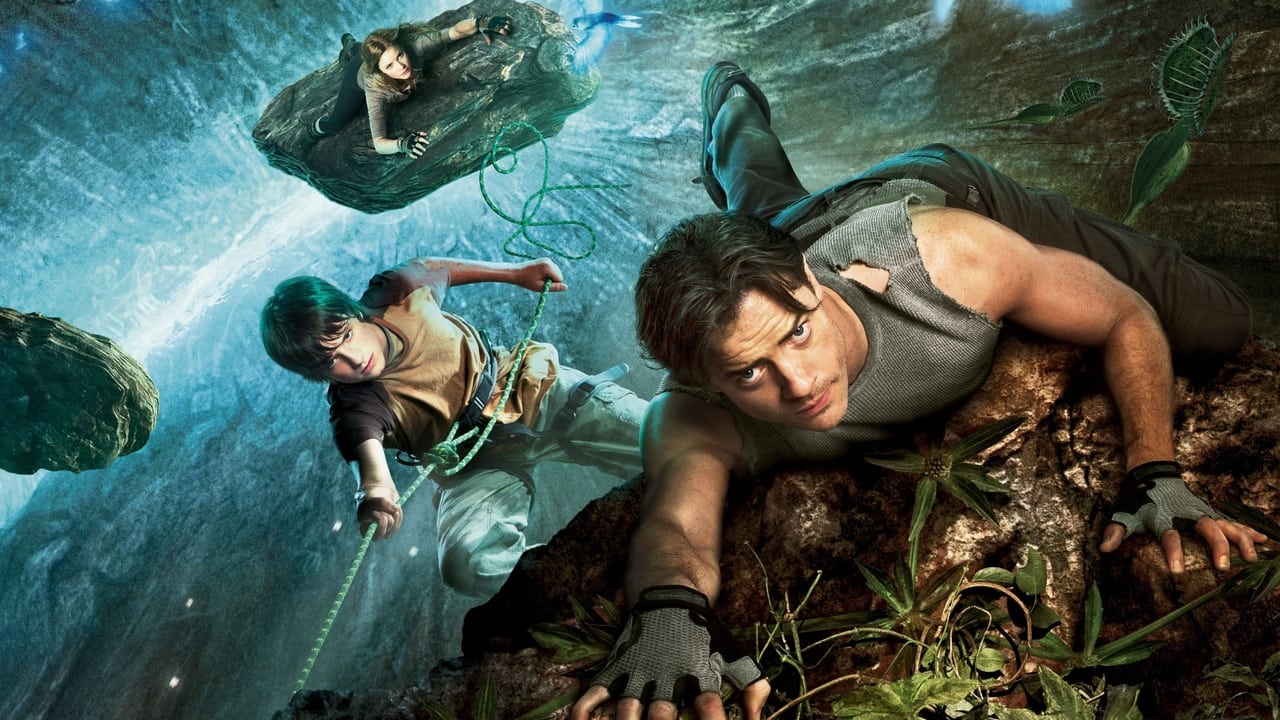
The expedition is the oldest kind of adventure story, and the shelf has many. Jungle Cruise steams up the Amazon with a wisecracking skipper and a determined botanist. Journey to the Center of the Earth and Journey 2: The Mysterious Island follow Jules Verne through glowing caverns and across the backs of giant bees. Dora and the Lost City of Gold sends a fearless teenager into the Peruvian jungle, Finding ʻOhana hunts pirate treasure in the caves of Hawaii, and Return to Nim's Island defends a private paradise.
Then there are the adventures that arrive uninvited. In Jumanji a board game empties a jungle into a quiet town, complete with monkeys, a lion, a stampede and a hunter in a pith helmet. Jumanji: The Next Level reverses the idea and pulls its players into the game, across deserts and rope bridges. Night at the Museum: Secret of the Tomb brings the exhibits of the British Museum to life, and Home Alone 2: Lost in New York turns a city into one boy's playground.
Some of the finest adventures on the shelf are true or nearly so. Togo crosses Alaska by dog sled in a blizzard to deliver medicine. Arthur the King follows a racing team and a stray dog through jungle and river. True Spirit sails alone around the world, Amelia flies with the aviator Amelia Earhart, Big Miracle frees three whales from the Arctic ice, and The World's Fastest Indian chases a speed record on the salt flats of Utah. Cool Runnings and Eddie the Eagle find their adventure on the snow of the Winter Olympics. The adventure page arranges the shelf by kind.
Fantasy
Ninety-three films are fantasies, and they divide into two families. In the first, the story leaves this world for another. The Chronicles of Narnia: The Voyage of the Dawn Treader sails a painted ship to the edge of the eastern sea, past dragons and a wave that stands still. The Golden Compass imagines an Oxford where every person walks beside an animal companion and armoured bears rule the north; its effects won an Academy Award. Return to Oz goes back to the Emerald City and finds it in ruins, and Alice in Wonderland and The Wiz revisit two of the most famous dream journeys ever written.
Slumberland is the most lavish recent example: a girl travels through other people's dreams, across a ballroom of dancing leaves and a city of glass, in search of a pearl that grants a wish. MirrorMask, designed by the artist Dave McKean from a story by Neil Gaiman, looks like a sketchbook come alive. The Nutcracker and the Four Realms, A Wrinkle in Time and Inkheart each open a door of their own, the last by reading aloud.
The second family keeps its feet in the everyday and lets the magic come to visit. Mary Poppins is the model. She arrives on the east wind, tidies a nursery with a snap of the fingers, steps into a pavement picture and takes tea on the ceiling, and by the time she leaves a family has learned to enjoy one another. The blend of actors and animation was a marvel in 1964 and has kept its charm; Mary Poppins Returns repeats the trick with hand-drawn animation half a century later.
Paddington and Paddington in Peru belong here too, since their hero is the only fantastic thing in an otherwise ordinary London, and so do Big, where a boy's wish is granted overnight, Splash, where a mermaid walks up Manhattan, and Christopher Robin, where the toys of a childhood come looking for the man who outgrew them. The BFG carries a girl to giant country in the pocket of a kindly giant, Pete's Dragon hides a furry green dragon in a forest, and The Odd Life of Timothy Green grows a boy in a garden.
Live-action retellings of animated classics form a small shelf within the shelf. Kenneth Branagh's Cinderella is all silk and candlelight, with a transformation scene that fills the screen with blue butterflies. The Jungle Book of 2016 placed one boy in a forest created entirely by artists, down to the last leaf. Dumbo gave a flying elephant a circus the size of a city. Disenchanted, The King's Daughter and Cats continue the taste for storybook spectacle. The fantasy page sorts them by world.
Science fiction
Twenty-nine films are science fiction, and one of them changed the art. 2001: A Space Odyssey, released in 1968, set out to show space travel as it might really look, a year before anyone had stood on the Moon. Stanley Kubrick and his team built a rotating set the height of a house so that an astronaut could jog around the inside of a wheel, photographed model spacecraft a frame at a time, and invented new ways of projecting backgrounds. The result has scarcely aged. On a modern screen the white corridors, the red eye of the computer and the final rush of coloured light are as startling as they were to their first audiences.
The rest of the shelf is friendlier. Star Trek Beyond strands the crew of the Enterprise on a rocky world and lets them improvise their way home. Lost in Space sends a family and a robot through a wormhole. TRON: Ares brings a figure of light out of the computer and into city streets, and Thunderbirds launches its rockets from a tropical island.
The inventor at home is a favourite figure. In Flubber a professor creates a green substance with a mind of its own. In Honey, I Blew Up the Kid a toddler grows to the height of a casino, and in Honey, We Shrunk Ourselves the parents take their turn at the wrong end of the ray. Innerspace shrinks a pilot and injects him into a stranger. The Last Mimzy delivers a box of toys from the future, Phenomenon grants a mechanic sudden genius, and Multiplicity copies a busy man three times over.
A quieter kind of science fiction has appeared in recent years. After Yang is about a family and the android who was part of it. Swan Song offers a dying man a way to spare those he loves, and Nine Days imagines the interview a soul must pass before birth. They have few effects and a great deal of feeling, and their stillness suits a good screen as well as any explosion. The science fiction page lists the shelf.
Time travel
Fifteen films bend the clock. Back to the Future Part II is the most elaborate: it visits 2015, an altered 1985 and the 1955 of the first film, where its hero must avoid meeting himself. The hoverboard chase and the flying traffic of the future were achieved with wires, models and early digital compositing, and the film's guesses about tomorrow, flat screens on the wall among them, have been a source of amusement ever since.
Bill & Ted's Excellent Adventure travels by telephone box and collects historical figures for a school presentation, and Bill & Ted Face the Music returns to the pair thirty years on. Time Bandits tumbles through holes in the fabric of the universe from Napoleon to the Titanic. Groundhog Day needs only its premise: one February day simply repeats until its hero has learned to live it well. Peggy Sue Got Married and 17 Again send adults back to their schooldays, and Somewhere in Time and Kate & Leopold use the device for romance. The time travel page puts them in order.
Creatures
Thirty-eight films feature a creature the audience remembers, and the history of how such creatures are made is written across the shelf. In Chitty Chitty Bang Bang and Mary Poppins the animals are drawn or built by hand. In The Muppet Movie they are puppets operated from below, including a frog who appears to ride a bicycle. The Black Stallion and Homeward Bound: The Incredible Journey use real animals, patiently filmed.
The 1990s brought the change. Jurassic Park combined full-scale mechanical dinosaurs with computer animation. Jumanji attempted digital fur for its monkeys and lion, a harder problem than scales. Doctor Dolittle and Stuart Little 2 made animals talk by reshaping their mouths frame by frame, and Charlotte's Web gave a spider a face that could show kindness.
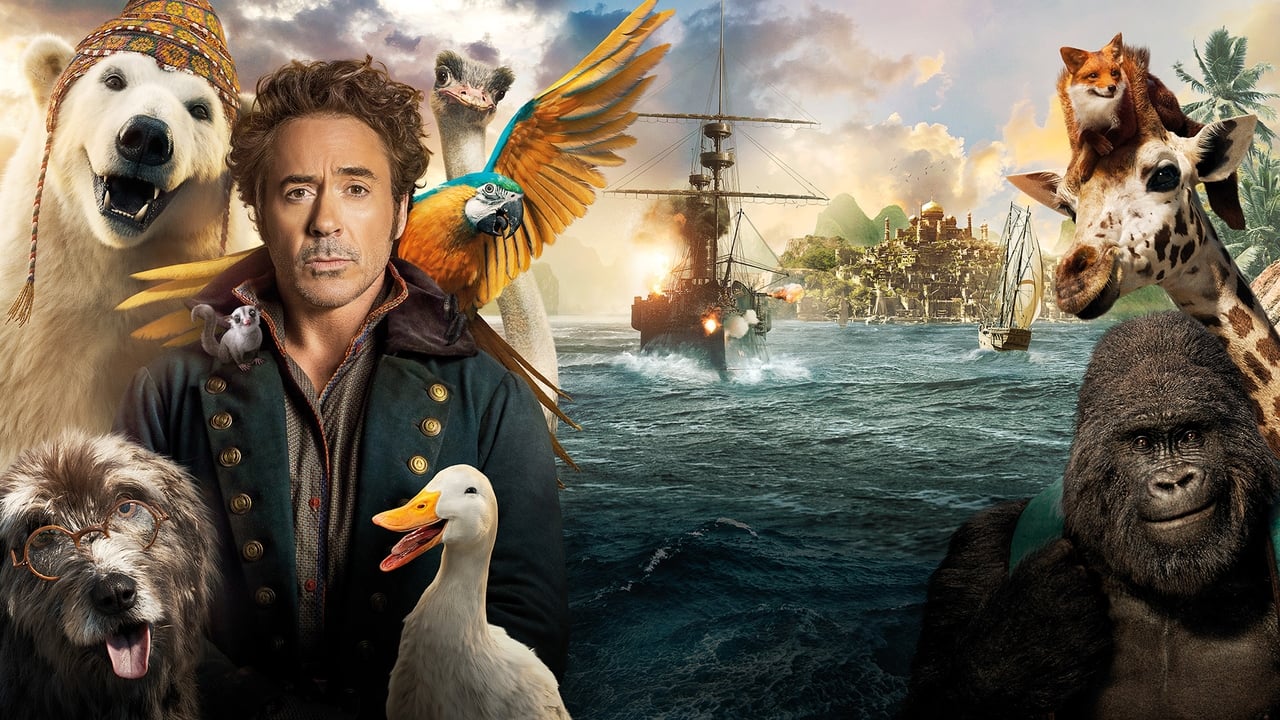
By the 2010s whole casts could be created this way. Every animal in The Jungle Book, from the panther to the bees, is a digital performance guided by an actor's voice. Paddington is animated over a real set so carefully that viewers forget he was added afterwards. The furry dragon of Pete's Dragon and the giant of The BFG lead on to IF, whose imaginary friends range from a huge purple creature to a glass of water.
A few recent films have gone back to older methods on purpose. The Legend of Ochi uses puppets for its small blue-faced creatures, and the effect is of something that truly shares the room with the actors. Hundreds of Beavers dresses people in animal costumes and plays the result as silent comedy. And Togo, A Dog's Purpose, A Dog's Way Home and Arthur the King rely on the oldest effect of all, a dog who seems to understand. The creatures page groups the shelf by species.
Magic and wishes
Forty films turn on a spell, a wish or an enchanted object. The wish that goes too far is the commonest plot. In Big a boy asks a fairground machine to make him grown up. In Liar Liar a son's birthday wish prevents his father from telling a single lie for a day. Freakier Friday swaps four people at once, Genie hands three wishes to a man whose life is falling apart, and Good Fortune lets a well-meaning angel rearrange two lives with mixed results.
Enchanted objects make good cinema because they can be shown. The board of Jumanji moves its own pieces and writes its warnings in a crystal at its centre. The car of Chitty Chitty Bang Bang sprouts wings and floats. The purple crayon of Harold and the Purple Crayon draws things that become real, the book of Inkheart releases its characters, and the toys of The Last Mimzy hum with borrowed light.
Fairy-tale figures have a corner of their own: the godmother of Cinderella, the reluctant winged hero of Tooth Fairy, the princess of Disenchanted who wishes for a storybook life and gets more story than she wanted, and the royal teenagers with secret powers in Secret Society of Second-Born Royals. The magic page lists all forty.
From the page
Forty-four films began as books, which is natural for genres built on invention. The classics of the nursery are well represented: Kipling's The Jungle Book, Carroll's Alice in Wonderland, Frances Hodgson Burnett's The Secret Garden, Mary Norton's The Borrowers, E. B. White's Charlotte's Web and P. L. Travers's Mary Poppins. Chitty Chitty Bang Bang was written by Ian Fleming, better known for a certain secret agent.
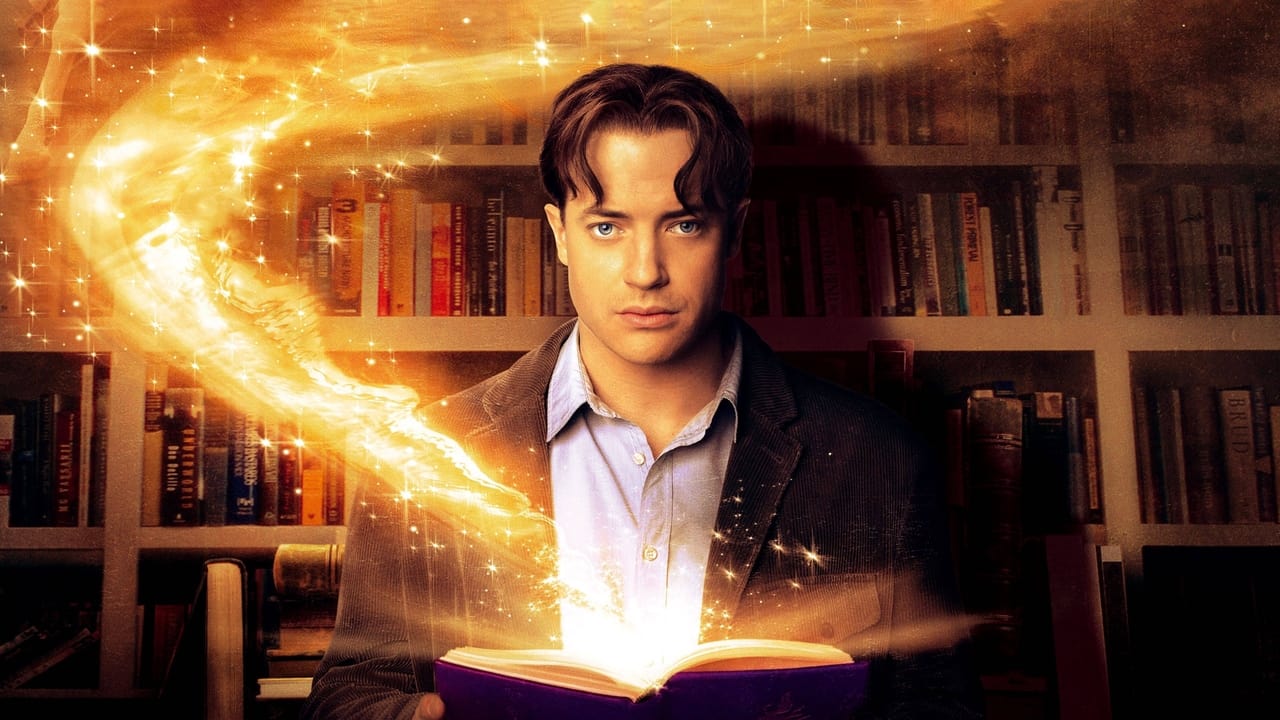
Modern children's books supply as many. Jumanji was a picture book by Chris Van Allsburg. Hugo comes from Brian Selznick's novel in words and drawings, and Martin Scorsese filmed it in three dimensions as a tribute to the pioneer Georges Méliès, whose studio of glass and painted scenery it lovingly rebuilds. Inkheart, The Golden Compass, A Wrinkle in Time, Tuck Everlasting and A Boy Called Christmas were all read before they were watched.
The films drawn from Jules Verne, C. S. Lewis and Roald Dahl show how well the great storytellers suit the camera. For a family, the shelf doubles as a reading list: watch the film, then find the book, or the other way round. The from books page groups them by author, and the shelf holds all forty-four.
Family viewing
Ninety-six films suit the whole household, more than half the catalogue. The oldest are the two great British-set musicals of the 1960s, Mary Poppins and Chitty Chitty Bang Bang, both with Dick Van Dyke and songs by the Sherman brothers. The Muppet Movie of 1979 and The Muppets of 2011 bracket the career of a frog and his friends. The 1990s contribute Jumanji, Flubber, The Borrowers, The Secret Garden and the two Homeward Bound: The Incredible Journey films.
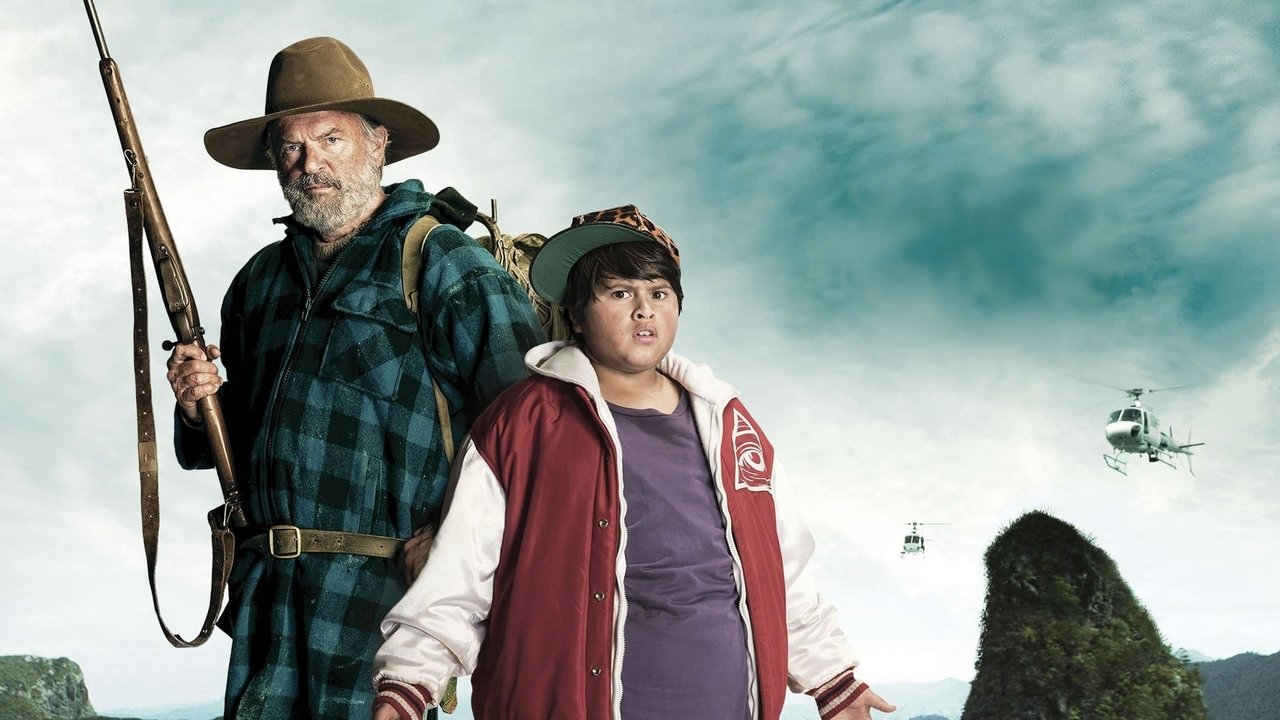
Recent years have been generous. Paddington and Paddington in Peru, Christopher Robin, Pete's Dragon, IF, Slumberland, Harold and the Purple Crayon and Chupa were all made with real care for young eyes. Dora and the Lost City of Gold and Finding ʻOhana are treasure hunts with a sense of humour, and Hunt for the Wilderpeople is the rare adventure that grandparents and teenagers enjoy equally. The family page sorts the shelf by age.
Adventures with a sense of humour
A hundred and five films are comedies as well as adventures, since the two have always travelled together. The fantastic premise is the commonest engine. Groundhog Day repeats a day. Liar Liar removes the power to fib. Multiplicity clones a tired husband, 17 Again returns a father to the age of his own children, and The Kid introduces a successful man to himself at eight. Down to Earth, Chances Are and Forever Young each give somebody a second run at life.
The journey comedy is as old as the road. Rat Race sends a casino's worth of strangers racing for a locker full of money. RV crams a family into a motor home, Captain Ron puts them on a boat with a skipper of doubtful skill, and The Out-of-Towners loses a couple in New York. Pee-wee's Big Adventure, the first feature directed by Tim Burton, crosses America in search of a stolen bicycle, and The Peanut Butter Falcon drifts down the coast of the Carolinas on a home-made raft.
British humour has a strong showing. Bean sends a disastrous gallery attendant to California with a priceless painting. Time Bandits, from a member of the Monty Python team, treats history as a department store to be robbed. Frequently Asked Questions About Time Travel stays in the pub throughout. And both Paddington films are comedies of manners in which the politest character happens to be a bear. The comedy page picks a dozen to start with.
Christmas adventures
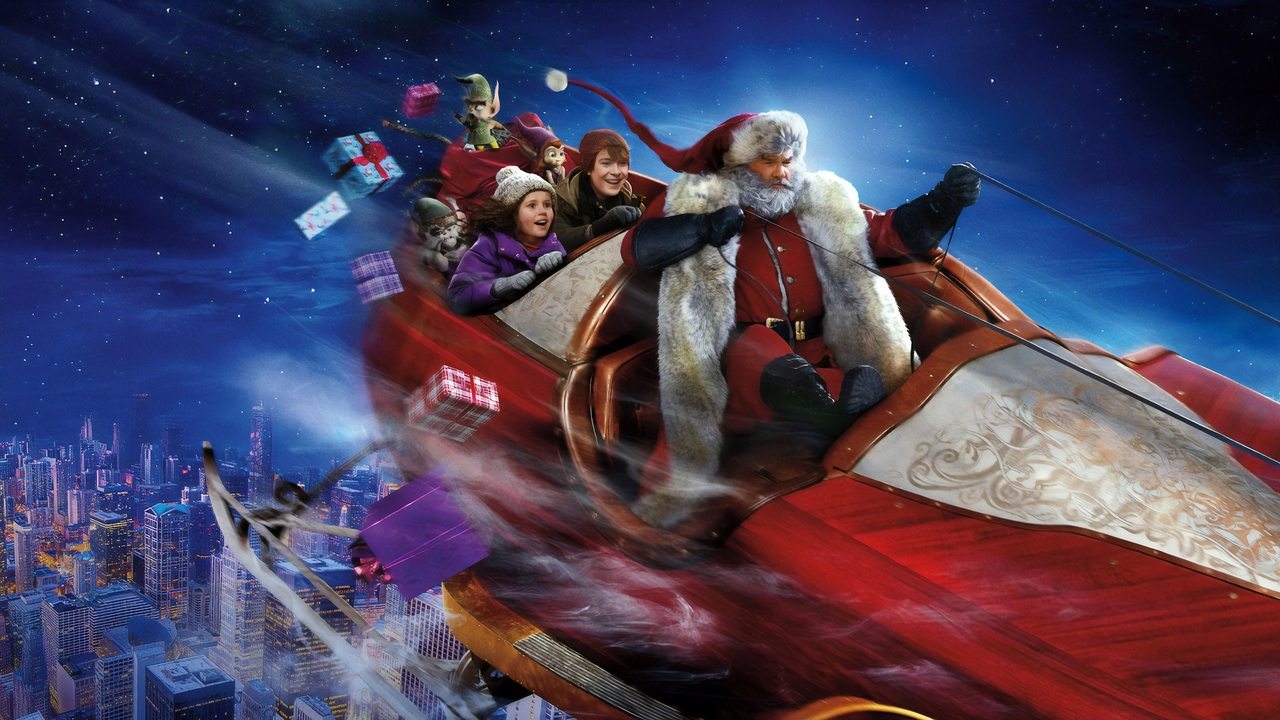
Seventeen films belong to December, and Christmas suits these genres well, since Santa Claus is the most widely believed fantasy of all. Santa Claus: The Movie of 1985 tells his origin with vast workshop sets. The Santa Clause 2 and The Santa Clause 3: The Escape Clause treat the job as a contract with small print. The Christmas Chronicles and The Christmas Chronicles: Part Two give Kurt Russell a sleigh that breaks the sound barrier, and Noelle hands the reins to Santa's daughter.
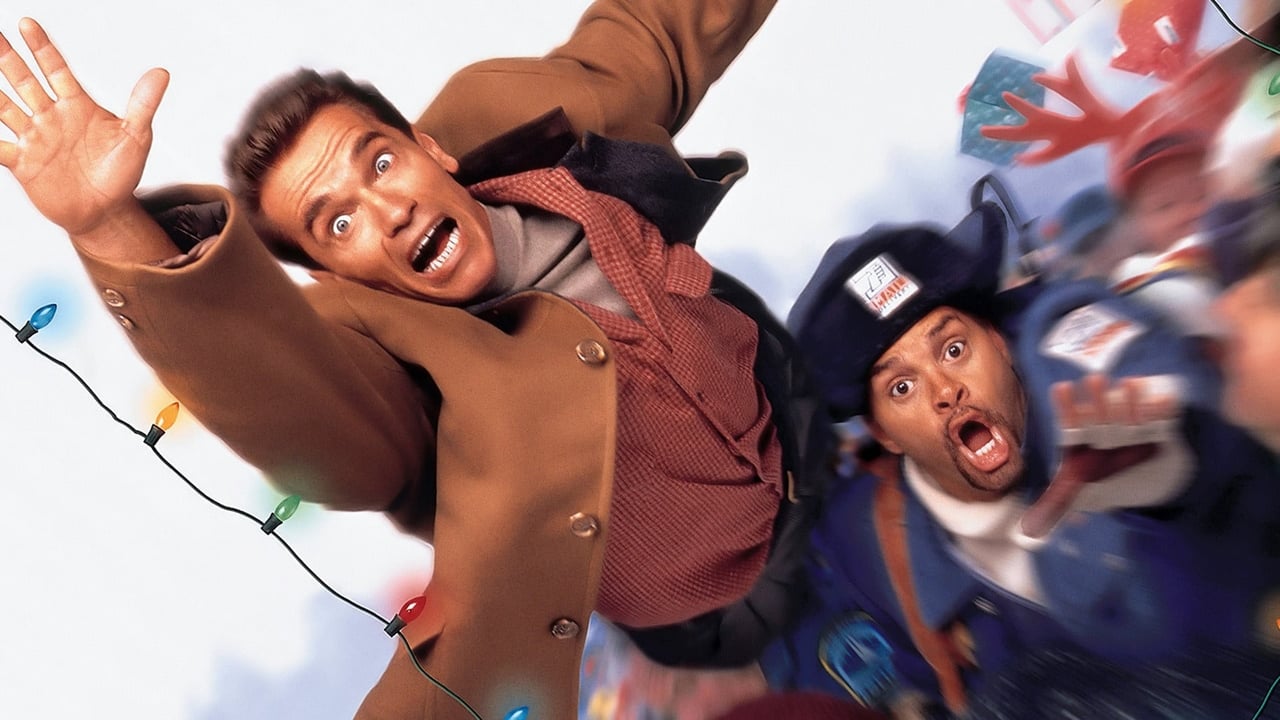
Elf is the modern classic, filmed with old-fashioned tricks of perspective so that its hero towers over the elves who raised him. Miracle on 34th Street asks whether a department-store Santa might be the real one. A Boy Called Christmas and Jingle Jangle: A Christmas Journey are storybook adventures with rich design, Candy Cane Lane brings the figures of a carol to life, and Home Alone 2: Lost in New York and Jingle All the Way supply the chases. The Christmas page puts all seventeen in order.
How the pictures were made
Because this is a guide for people who like to look, a short history of screen illusion may add to the pleasure. The oldest films on the site rely on what could be built and photographed. For Mary Poppins, actors were filmed against a screen lit with a special yellow light so that drawn penguins could be added behind them; the method gave cleaner edges than anything else of its day. Chitty Chitty Bang Bang used a real car on a crane and models against painted skies.
2001: A Space Odyssey refined model photography to a point that was only matched a decade later. The 1980s were the high summer of practical effects: the oversized furniture built to shrink the actors of Innerspace, the forced perspective of Time Bandits, the mechanical creatures of Return to Oz and the full-size tail worn by the mermaid of Splash. These things were truly in front of the camera, which gives them a solidity the eye still trusts.
Then came the computer. Jurassic Park proved in 1993 that a digital animal could share a shot with an actor. Within five years Jumanji, Flubber and Lost in Space were filling the screen with digital stampedes, dancing goo and robots. The 2000s extended the method to whole landscapes, as in The Golden Compass and the Narnia films, and the 2010s to whole worlds: the forest of The Jungle Book existed only as data, filmed on a bare stage in Los Angeles.
The best recent films mix everything. Hugo built a real railway station set and extended it digitally. Paddington in Peru sends an animated bear down a real river. Jungle Cruise floated a full-size boat in a tank, and TRON: Ares lit its actors with the glow of practical light suits. Knowing a little of this makes a second viewing richer: you begin to watch the edges of things, the dust and the water, and to admire the craft as well as the story.
Getting the most from your screen
A few plain habits improve any film night. Sit so that the screen fills a good part of your view; most people sit too far away to see the detail they have paid for. Darken the room, since a lamp reflected in the glass will wash out the shadows of 2001: A Space Odyssey or the night scenes of Jurassic Park. Many televisions have a mode with a name such as cinema, movie or filmmaker, which turns off the artificial smoothing that makes films look like studio video; it is worth selecting.
Sound matters as much as picture. The footfalls of a tyrannosaur, the songs of Mary Poppins and the orchestral swell of The Chronicles of Narnia: The Voyage of the Dawn Treader deserve better than the small speakers of a thin set, and even a modest sound bar makes a difference. Finally, look at what the service offers. The same film may be listed in several qualities, and JustWatch, which the Watch now button opens, marks the ones available in 4K. The best picture page repeats these steps in brief.
Real places behind the fantasy
Many of these films were photographed in places a viewer can visit, and a sharp screen shows them off. The island of Jurassic Park is Kauai, in Hawaii, whose green cliffs and waterfalls needed little help from the effects team. Finding ʻOhana was filmed on the neighbouring island of Oʻahu. Hunt for the Wilderpeople wanders through the forests and volcanic plateau of New Zealand's North Island, and The World's Fastest Indian ends on the white expanse of the Bonneville Salt Flats.
The Secret Life of Walter Mitty may be the most beautiful travelogue in the catalogue: its hero skateboards down an empty Icelandic road, leaps from a helicopter into a cold sea and climbs towards the Himalayas. Togo was filmed in the Canadian Rockies standing in for Alaska. The Black Stallion found its deserted beach in Sardinia, True Spirit sails real seas, and Paddington in Peru sends its cameras to the cloud forests of South America.
Cities play themselves as well. London is the setting of both Paddington films, of Mary Poppins and its sequel, and of the museum that comes alive at night. Paris, rebuilt on a stage, glows through the windows of the station in Hugo. New York hosts a lost boy at Christmas, an elf in yellow tights and a mermaid on a tourist boat. Part of the pleasure of these films is that their wonders happen somewhere recognisable.
The sound of adventure
Close your eyes during any of these films and you will still know what kind of story you are in, because the music tells you. John Williams wrote the themes for Jurassic Park and Home Alone 2: Lost in New York, and the first of them, a slow rising melody for brass and strings, expresses awe better than any image could. Alan Silvestri's fanfare for Back to the Future Part II does the same for excitement, and James Horner's score for Jumanji keeps a drumbeat of danger beneath the comedy.
The songs of the Sherman brothers carry Mary Poppins and Chitty Chitty Bang Bang; several of them have been sung in playgrounds for sixty years. 2001: A Space Odyssey famously used existing concert music, pairing a Viennese waltz with turning spacecraft, and the match has been imitated and parodied ever since. The Muppet Movie opens with a frog, a banjo and a ballad about rainbows that was nominated for an Academy Award.
More recent scores reward a good pair of speakers just as much. Howard Shore gave Hugo the sound of a Parisian café orchestra. The music of The Jungle Book of 2016 weaves in melodies from the animated film of 1967. Jingle Jangle: A Christmas Journey and Cats are sung throughout, and TRON: Ares is driven by electronic music. Turning the volume up is part of watching these films properly.
Films to watch in pairs
The catalogue invites double bills. Watch Mary Poppins and then Mary Poppins Returns to see how a sequel fifty-four years later honours its original. Follow Jumanji with Jumanji: The Next Level and compare a jungle that invades a house with one that swallows its players. Put Paddington before Paddington in Peru, or The Christmas Chronicles before its second part.
Other pairs are linked by an idea. Big and 17 Again grant opposite wishes, one boy wanting to be older, one man wanting to be young. Honey, I Blew Up the Kid and Honey, We Shrunk Ourselves turn the same ray in two directions. 2001: A Space Odyssey and After Yang are both about people and the machines they make, fifty-four years and a world of feeling apart. The Jungle Book and Hunt for the Wilderpeople each drop a boy into the wild with an unlikely guardian.
And some pairs are simply a pleasure. Bill & Ted's Excellent Adventure with Bill & Ted Face the Music shows two friends at twenty and at fifty. The Muppet Movie with The Muppets covers thirty-two years of felt and good humour. Homeward Bound: The Incredible Journey with Homeward Bound II: Lost in San Francisco makes a full afternoon for any child who loves animals.
A film for every age
With ninety-six family titles the catalogue can suit any household, and a little guidance helps. For children under seven, the gentlest choices are Paddington, Christopher Robin, Stuart Little 2, Charlotte's Web and Harold and the Purple Crayon, along with the songs of Mary Poppins. From seven to ten, Jumanji, Night at the Museum: Secret of the Tomb, Flubber, The Borrowers, Dora and the Lost City of Gold and Finding ʻOhana offer excitement that stops short of fright.
Older children are ready for Jurassic Park, whose dinosaurs are thrilling and occasionally alarming, and for The Golden Compass, Inkheart, A Wrinkle in Time and the Narnia voyage. Hugo and The Secret Garden suit a thoughtful child of any age. Teenagers tend to enjoy the time-travel shelf, Hunt for the Wilderpeople, The Secret Life of Walter Mitty and The Peanut Butter Falcon.
Adults watching alone might try the quieter science fiction, After Yang, Swan Song and Nine Days, or the oddities, MirrorMask, Interstate 60 and Hundreds of Beavers. And 2001: A Space Odyssey is best met when a viewer is old enough to sit still and young enough to be astonished, which for most people means any age at all.
Ten films worth discovering
The famous titles need little help, so here are ten that many viewers have missed. Return to Oz was thought too strange in 1985 and is now loved for exactly that. The Secret Garden of 1993 is one of the most beautifully photographed children's films ever made. The Black Stallion tells half its story with hardly a word. Time Bandits is as inventive as anything made since, and Innerspace is a comedy with effects that won an Academy Award.
Interstate 60 is a road film through a string of fables. MirrorMask is a dream in ink and gold. The Last Mimzy is a thoughtful story for children about messages from the future. Blue Miracle is a true tale of an orphanage and a fishing tournament, and The Legend of Ochi is a creature adventure made with puppets and patience. Each is a short search away.
Returns and retellings
These genres love to go back. Several films on the site continue a story long after it seemed finished: Mary Poppins Returns, Bill & Ted Face the Music, Freakier Friday, Disenchanted and TRON: Ares, the latest chapter of a series that began in 1982 with some of the first computer imagery ever shown in a cinema. Each has to answer the same question, what became of these people, and the best answers are generous.
Others retell a story for a new generation with new tools. The Jungle Book, Cinderella, Dumbo and Pete's Dragon began as animation or as a blend of animation and actors. Journey to the Center of the Earth, Alice in Wonderland, The Secret Garden, Miracle on 34th Street and Doctor Dolittle had all been filmed before. The comparison is part of the fun, and a family with time on its hands can make an evening of two versions of one tale.
What the best retellings understand is that technique alone changes little. A digital tiger is only as frightening as the scene around it, and a flying elephant only as moving as the child who believes in it. The films that last, from 1964 to the present day, are the ones in which the marvels serve a simple feeling: curiosity, courage, homesickness or delight. That is as true on a telephone as on the finest screen, though the finest screen certainly helps.
Big, small and in between
One idea returns so often in these films that it deserves a paragraph of its own: the change of size. Cinema has always enjoyed making things larger or smaller than life, because the screen itself does exactly that. Honey, I Blew Up the Kid sends a two-year-old striding through Las Vegas. Honey, We Shrunk Ourselves loses four adults in a bowl of dip. The Borrowers builds a household from matchboxes and cotton reels under the floorboards, and Stuart Little 2 gives a mouse a roadster and a biplane.
Innerspace travels through a bloodstream. Gulliver's Travels strands a postal clerk among people the height of his thumb. The BFG reverses the view, with a child carried in a giant's ear, and Big plays the same game with age. Even Jurassic Park is, at bottom, a film about looking up at something very large.
These films are a particular treat on a good screen because scale depends on detail. The eye believes a thimble used as a bucket when it can see the dents in the metal, and it believes a dinosaur when it can see the mud on its skin. Much of the work of the craftspeople behind these pictures went into such small truths.
Where to begin
A newcomer faced with 167 titles may want a short way in. Choose by mood. For wonder, begin with Hugo or Mary Poppins. For thrills, Jurassic Park or Jumanji. For laughter, Groundhog Day, Elf or Paddington. For a true story, Togo or Eddie the Eagle. For something to think about afterwards, 2001: A Space Odyssey or After Yang.
Or choose by company. With small children, start on the family shelf. With teenagers, try time travel. With a friend who loves how films are made, pick anything from the section on craft above and watch for the joins. And when you find a film you like, look at its page: the director's and actors' names are a search away from more of the same. The catalogue is large enough to last a year of weekends and coherent enough that one good evening usually leads to the next.
One last suggestion concerns the films you think you already know. Many viewers saw Jurassic Park, Jumanji or Back to the Future Part II years ago on a small television or a worn tape, and remember them fondly but dimly. Seen again on a large modern screen with proper sound, they are close to new. Details emerge that were always there: the reflection in a raptor's eye, the dust rising from a stampede, the lettering on the shop fronts of an imagined future. Restored editions of older films such as Mary Poppins and 2001: A Space Odyssey are sharper today than the prints most cinemas showed on first release. Returning to a favourite can be as rewarding as finding a new one, and the search field will take you straight to it.
Era by era
Nineteen films date from before 1990, and they are the foundations of the catalogue: Mary Poppins, 2001: A Space Odyssey, Chitty Chitty Bang Bang, The Wiz, The Black Stallion, The Muppet Movie, Time Bandits, Splash, Return to Oz, Innerspace, Big and Back to the Future Part II among them. The 1990s add thirty-two, led by Jurassic Park, Jumanji, Groundhog Day and Home Alone 2: Lost in New York.
The 2000s contribute thirty-six, from Elf and The Golden Compass to Inkheart and Charlotte's Web. The 2010s are the largest group, with forty-seven: Hugo, The Jungle Book, Cinderella, Paddington, Star Trek Beyond and Togo. The 2020s already hold thirty-three, including Jungle Cruise, Slumberland, IF, Paddington in Peru and TRON: Ares. The era by era page picks four from each period.
Directors and stars
A hundred and forty-seven directors made these films. Joe Johnston directed Jumanji and shared the direction of The Nutcracker and the Four Realms. Robert Zemeckis directed Back to the Future Part II, Stanley Kubrick 2001: A Space Odyssey, Martin Scorsese Hugo, Terry Gilliam Time Bandits, Jon Favreau both Elf and The Jungle Book, and Kenneth Branagh Cinderella. Steven Spielberg has Jurassic Park and The BFG, and Tim Burton Pee-wee's Big Adventure and Dumbo.
Among the actors, Robin Williams appears in Jumanji, Flubber, RV and Night at the Museum: Secret of the Tomb. Dwayne Johnson leads Jungle Cruise, Journey 2: The Mysterious Island, Jumanji: The Next Level and Tooth Fairy. Tom Hanks is the boy in a man's body and the man who loves a mermaid, Eddie Murphy talks to animals in one film and bargains with a mischievous elf in another, and Dick Van Dyke, sixty-odd years after the first, dances again in Mary Poppins Returns. Type any name into the search field and the films appear at once.
The top-rated shelf
Thirty-nine films hold an average of seven or higher. The shelf is led by Togo, Jurassic Park, 2001: A Space Odyssey and Back to the Future Part II, followed by The World's Fastest Indian, Hunt for the Wilderpeople, Groundhog Day, A Dog's Purpose, Somewhere in Time and Mary Poppins. It is a good place to begin if the catalogue feels large, since every film on it has pleased a great many viewers. The Top rated shelf lists them in order.
Using 4KHDHub
The black bar stays at the top of the screen as you scroll. It holds the name in orange and white, the bold links to the main shelves and a search field. Beneath it the home page opens with one featured film across the full width and continues with eight rows of wide stills. Each still carries an orange label with the film's rating; the title, the year and the running time sit below. A View all button at the head of each row shows the size of its shelf.
A film page shows the poster, the title, the year, the running time and the rating, then the director, the leading cast, the genres and the summary. Choose your country, press Watch now, and JustWatch opens with the services that offer the film there. The Add to My List button keeps a film for later; My List, reached from the black bar, shows what you have saved, each with a Remove button. The shortlist lives in your own browser on your own device, and the list page can save a copy as a file. The My List page describes each step.
Seven evenings of spectacle
For a week that shows what a good screen can do, begin with Mary Poppins for colour, then 2001: A Space Odyssey for contrast and stillness. Give the third evening to Jurassic Park and turn the sound up. Jumanji and Hugo make a fine pair for the middle of the week, one loud and one delicate.
Close with The Jungle Book of 2016, in which every leaf is a work of art, and Paddington in Peru, where the oldest pleasure of cinema, a likeable hero on a journey, meets its newest tools. Seven evenings, sixty years of invention, and a fair idea of how film-makers learned to show us what a camera alone is unable to capture.
Questions and answers
The questions below are those most often asked about 4KHDHub, with short answers. Fuller help is on the help pages named throughout this guide, including the how to watch page.
Questions
What is 4KHDHub?
4KHDHub is a guide to 167 adventure, fantasy and science-fiction films made between 1964 and 2025, each with its cast, its director and a Watch now button to official services.
Does 4KHDHub offer downloads?
4KHDHub is a guide only. Every Watch now button opens JustWatch, which lists the official streaming, rental and purchase services for your country.
How do I find a film in 4K?
Press Watch now on the film page; JustWatch shows which services carry the film and marks the ones that offer it in 4K.
Which films are rated highest?
Thirty-nine films hold seven or more, led by Togo, Jurassic Park, 2001: A Space Odyssey and Back to the Future Part II.
Is the catalogue suitable for families?
Yes. Ninety-six of the 167 films sit on the Family shelf, and the selection favours wonder over fright.
Which is the oldest film?
Mary Poppins, released in 1964. Nineteen films in all were made before 1990.
Can I search by actor or director?
Yes. The search field accepts a title, an actor, a director or a year and shows results as you type.
How does My List work?
Press Add to My List on a film page. The shortlist lives in your browser, and the list page can save a copy as a file.
